
The Gravestone Doji: The Ultimate Sign of Rejection in the NEPSE Market
When Optimism Gets Crushed
In the volatile world of the Nepal Stock Exchange (NEPSE), we often talk about "traps"—situations where excited buyers rush in at the top, only to be left holding losses as the market turns.
We have discussed early warning signs like the Shooting Star (where buyers get trapped) and the Hanging Man (where buyers get nervous). But there is one single-candlestick pattern that is far more ominous than both. It represents a complete and total failure of the bulls to sustain higher prices.
It is called the Gravestone Doji.
Its name itself sounds grim, and for a good reason. In a market like NEPSE, where you cannot profit from falling prices, seeing this pattern at the top of a rally is often the clearest signal you will ever get that the uptrend is dead and it’s time to bury your hopes of further immediate gains.
Identifying the Gravestone Doji
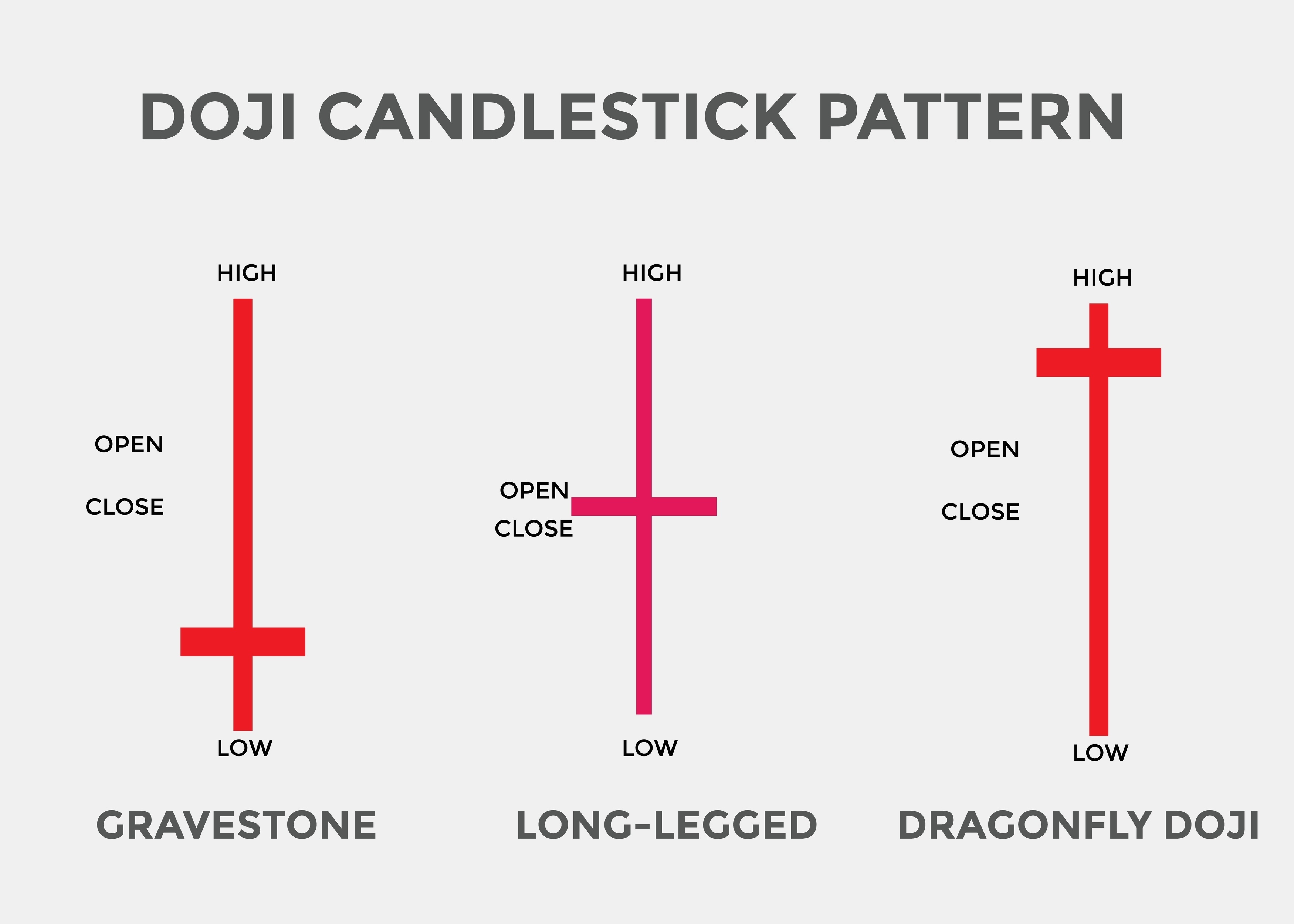
A Gravestone Doji is a very specific type of reversal pattern that appears at the peak of an uptrend. It is visually striking because it has almost no "body."
The Visual Checklist:
The Context: The stock must have been rising significantly leading up to this day.
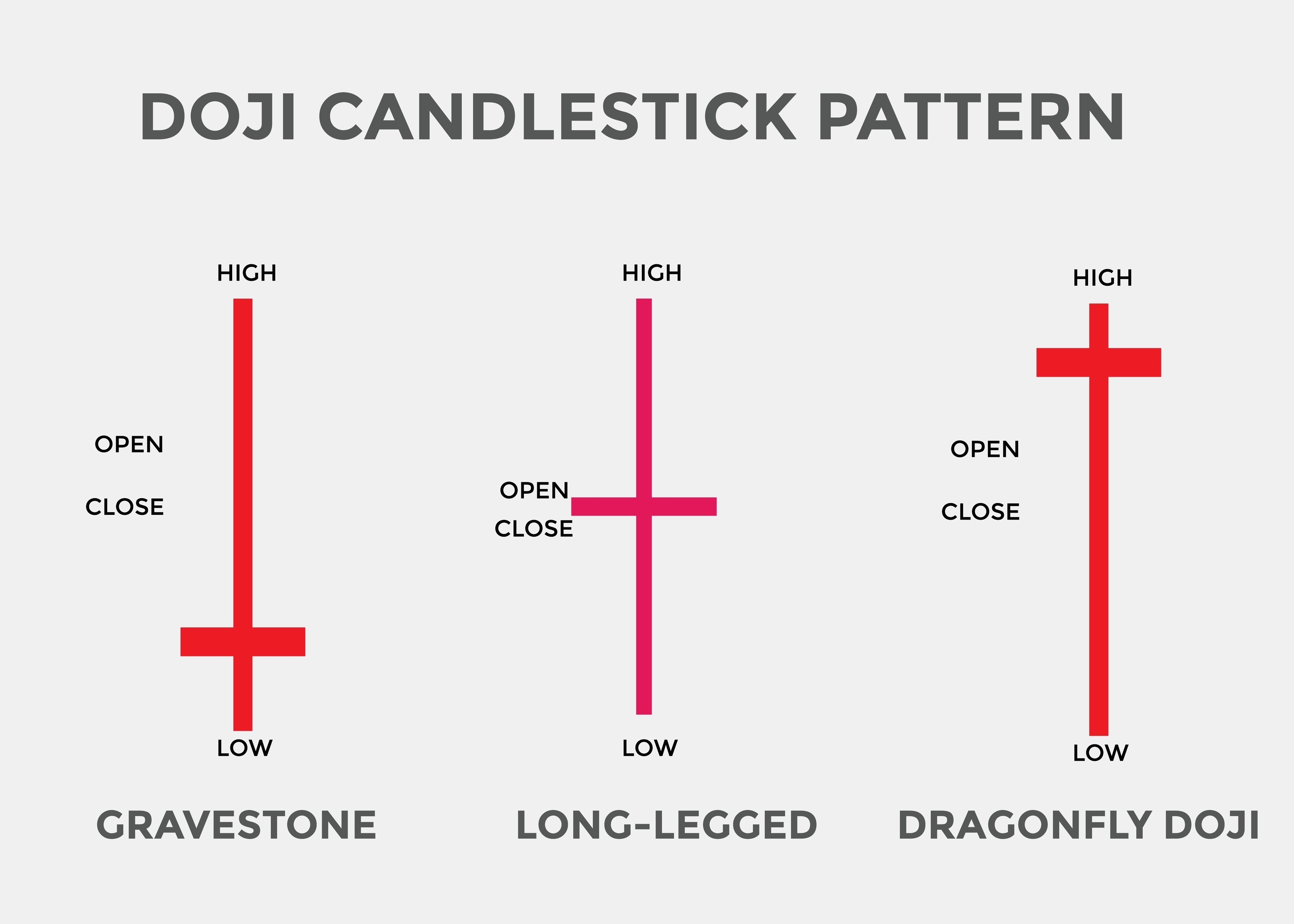
The "T" Shape: The Open, Low, and Close prices are all virtually the same, creating a flat horizontal line at the very bottom of the day's range.
The Shadow: It has a very long upper shadow.
No Lower Shadow: There is absolutely no tail sticking out below the flat line.
It looks exactly like an upside-down uppercase "T", or a gravestone marker standing on flat ground.
The Psychology: Total and Complete Rejection
Why is this pattern so much more bearish than a Shooting Star? It comes down to the battle between bulls (buyers) and bears (sellers) during the trading session.
Let’s imagine a popular Commercial Bank stock has been rallying.
The Morning Rush: The market opens, and buyers immediately take charge. Driven by hype or news, they push the price up aggressively, creating a new high for the recent trend. This forms the top of the long upper shadow.
The Reversal: At those highs, intense selling pressure enters the market. This isn't just profit-taking; it's aggressive dumping of shares.
The Total Failure (The Close): Unlike a Shooting Star (where buyers manage to keep the price slightly above the open) or a Hanging Man (where buyers save the day at the end), in a Gravestone Doji, the buyers completely lose the fight. By the 3 PM close, the sellers have pushed the price all the way back down to the exact level where it opened.
The takeaway: The market tried to go higher, and it was totally and utterly rejected. Every single person who bought during that day is now sitting on a loss or is merely break-even by the closing bell.
The NEPSE Perspective: Why This Matters to You
In international markets, traders see a Gravestone Doji and immediately open "short sell" positions to profit from the expected drop.
In Nepal, we cannot do that. For the NEPSE trader, the Gravestone Doji is purely a defensive signal. It is a blaring siren saying: "Protect Your Capital."
It is considered a stronger reversal signal than the Shooting Star because the rejection of higher prices was absolute—the bulls couldn't hold even a single rupee of gain by the close.
Your Action Plan When You See It
If you see a Gravestone Doji form after a strong rally on a stock you own, hope is not a strategy. You need action.
1. The Immediate Halt on Buying If you were planning to enter this stock, cancel your orders. Entering on the day a Gravestone Doji forms is essentially gambling against extreme selling pressure.
2. The Aggressive Exit Strategy Because this signal is so strong, many conservative traders will use it as a signal to book profits immediately at the close or the next morning's open.
3. The Confirmation Rule (Essential) Like all single candle patterns, confirmation increases reliability.
Watch the first hour of the next trading day. If the price drops below the flat bottom line of the Gravestone Doji, the reversal is confirmed. The "gravestone" has been set, and lower prices are highly likely.
Conclusion
The Gravestone Doji is not a subtle hint; it is a loud shout from the market that the buying frenzy is over. In the NEPSE environment, where defending your gains is just as important as making them, ignoring this sign of total price rejection is a dangerous game. When you see the upside-down "T" at the top of a chart, respect it, and prepare to exit.