
The Bearish Marubozu: The NEPSE Signal That Screams "Don't Buy the Dip"
The Danger of False Bottoms in NEPSE
When the Nepal Stock Exchange (NEPSE) enters a correction or a bear market, the most tempting thing for a trader to do is try and guess the bottom. We see prices falling, and our instinct is to "buy the dip" because the prices look cheap compared to last week.
But in a one-way market like Nepal, buying too early in a downtrend is one of the fastest ways to erode your capital. Trying to catch a falling knife often leads to bleeding hands.
So, how do you know when a downtrend is still raging with full force and it’s definitely not time to buy?
You look for the candlestick pattern that represents pure, unadulterated selling conviction: The Bearish Marubozu.
When this appears in the middle of a downtrend, it is a powerful continuation signal. It is the market shouting at you that the bears are still in total control, and lower prices are ahead.
Identifying the Bearish Marubozu
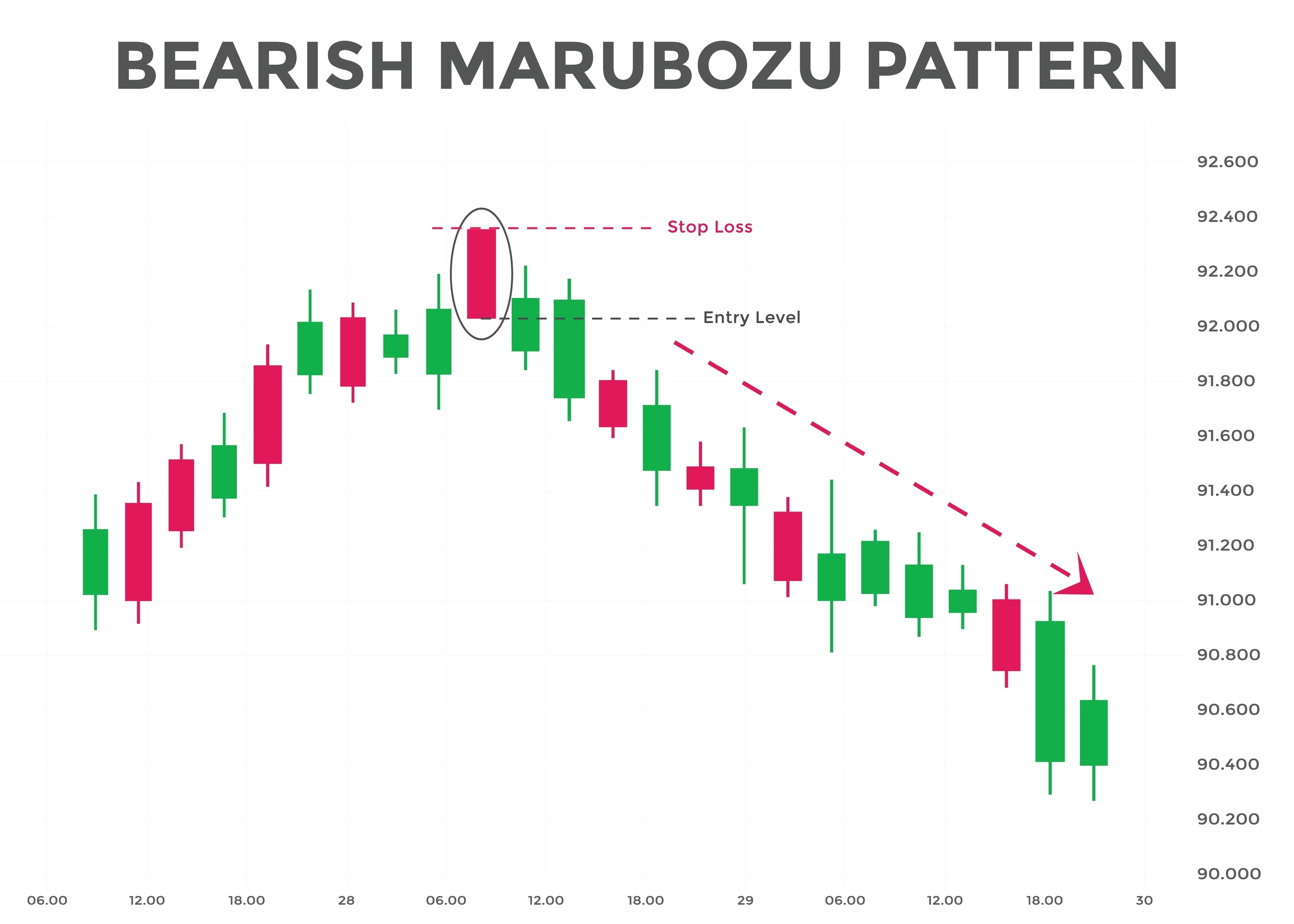
"Marubozu" is Japanese for "bald" or "shaved head." This name fits perfectly because this candle has no "hair"—meaning it has absolutely no upper or lower shadows (wicks).
The Visual Checklist:
The Context: Crucial point: The stock or index must already be in a clear downtrend.
The Body: A long, solid red body. The longer the body, the stronger the signal.
No Shadows: This is the defining feature. It opens at the absolute high of the day and closes at the absolute low of the day.
It looks like a solid red brick dropping on the chart.

The Psychology: Pure Seller Conviction
Why is a simple red block so significant? It tells you a story about the battle between buyers and sellers during that trading session.
A normal candle has shadows because at some point during the day, buyers tried to push the price up from the low, or sellers pushed it down from the high. There was a struggle.
A Bearish Marubozu means there was no struggle.
From the moment the opening bell rang at 11 AM in NEPSE, sellers were aggressive. Every time a buyer showed up, they were immediately overwhelmed with supply. The selling pressure was relentless right up until the 3 PM closing bell, finishing at the lowest possible point.
In the middle of a downtrend, this indicates extreme bearish momentum. It means the big players aren't done selling yet, and the panic is still real.
The NEPSE Strategy: What To Do (And What NOT To Do)
In international markets, traders see this pattern and double down on their short-sell positions. In Nepal, we use this signal defensively.
If you are watching a stock that has been falling for two weeks, and you are sitting on cash waiting to enter, seeing a Bearish Marubozu is a massive red flag.
1. The "Sit on Your Hands" Rule This is the most important rule. If you see a Bearish Marubozu in a downtrend, do not buy. Do not think it's "oversold." Do not think it's a "bargain." This candle means the downward elevator has just cut its cables. The ride down is accelerating. Delay your entry plans.
2. Respect the Momentum In NEPSE, trends often last longer than we think. A Bearish Marubozu confirms that the current trend is highly likely to continue for the next few days at least. Patience is your best strategy here. Wait for signs of stabilization (like Dojis or Hammers) before even thinking about re-entering.
3. If You Are Still Holding... If you made the mistake of holding through the downtrend and you see this candle form, it is a very bad sign for near-term recovery. It indicates that hope has completely left the market for the time being.
Conclusion
In the Nepalese share market, making money is about buying low and selling high. But keeping your money is about knowing when the "low" hasn't arrived yet.
The Bearish Marubozu is the ultimate continuation signal. It is proof of pure seller conviction. When you see this red brick forming in a falling market, fight the urge to be a hero. Step back, protect your cash, and let the bears finish their work before you step back into the ring.